
The Thrill of Uncertainty
The experience of casino gambling often hinges on the thrill of uncertainty. Players are drawn to the unpredictable nature of games like roulette, poker, and slot machines, where the outcome is never guaranteed. This uncertainty triggers a psychological response known as the “gambling rush,” a euphoric feeling that arises from the potential to win big. The adrenaline associated with this risk can be exhilarating, making players feel alive and engaged. Many find that platforms offering games like 1win present even more opportunities to enjoy this excitement, leading many to gamble repeatedly, often without regard for their losses.
Moreover, the allure of uncertainty is closely tied to the concept of randomness, which fascinates the human brain. When players win unexpectedly, the brain releases dopamine, a neurotransmitter associated with pleasure and reward. This biochemical reaction reinforces the desire to gamble, as players start to associate the risk with potential joy. The unpredictability of outcomes creates a cycle that keeps players coming back, as they chase that fleeting high of winning, often overlooking the odds stacked against them.
Additionally, the environment of a casino amplifies this psychological phenomenon. The vibrant lights, sounds of slots hitting jackpots, and the overall atmosphere are designed to enhance excitement. Casinos strategically create a sensory overload that keeps gamblers enthralled and engaged, often leading them to lose track of time and money. This careful crafting of the gambling environment further deepens the psychological impact, as the excitement of the unknown fosters an addictive quality in the gambling experience itself.
The Role of Cognitive Biases
Cognitive biases play a significant role in how individuals perceive gambling outcomes. One prevalent bias is known as the “gambler’s fallacy,” where individuals believe that past events affect future outcomes in games of chance. For instance, a player may think that if a coin has landed on heads several times in a row, tails is now “due.” This misconception can lead gamblers to make irrational decisions, increasing their risk-taking behavior. Such biases can cloud judgment and lead players to engage in prolonged gambling sessions characterized by chasing losses rather than exercising rational gameplay.
Moreover, the illusion of control further complicates the psychology of gambling. Many players overestimate their ability to influence game outcomes, particularly in games that involve some element of skill, such as poker. This belief can make them more invested in the games, even if the odds are still heavily against them. Consequently, players may continue to gamble, convinced that their expertise gives them an advantage, thus deepening their emotional and financial commitment even in the face of mounting losses.
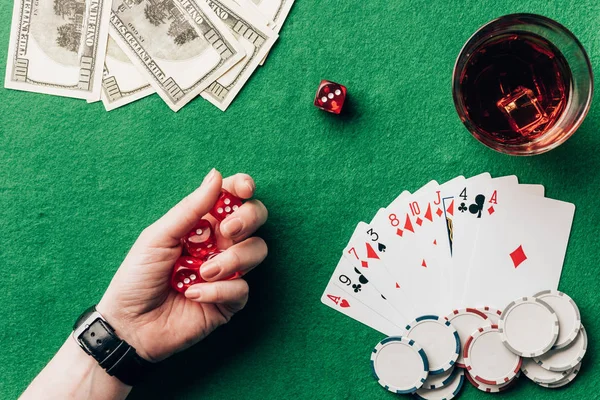
Awareness of these cognitive biases is essential for understanding why many individuals fall into problematic gambling behaviors. By recognizing how these distortions can lead to poor decision-making, players can become more informed and thoughtful in their gambling practices. However, awareness alone is often not enough; it requires a proactive approach to manage one’s gambling habits effectively. Strategies, such as setting strict limits and understanding the odds, can help counteract these biases and foster a healthier relationship with gambling.
The Social Dynamics of Gambling
The social environment surrounding gambling can significantly influence a person’s experience and motivations. Many individuals are drawn to casinos not just for the games but also for the social interaction they provide. Engaging with friends, meeting new people, and sharing the excitement of winning or losing can enhance the overall experience. The camaraderie developed in these settings can foster a sense of belonging and excitement that encourages repeated visits to casinos.
Additionally, the concept of social proof plays a vital role in the psychology of gambling. When individuals observe others winning, it reinforces the belief that they, too, can achieve similar success. This behavioral phenomenon can lead to a bandwagon effect, where players decide to gamble based on the perceived success of those around them. This dynamic can create a cycle of gambling behavior, where individuals not only gamble to win but also feel compelled to participate because of their social surroundings.
However, the social aspects of gambling can also contribute to harmful behaviors. Peer pressure can push individuals to gamble more than they initially intended or to engage in risky betting behaviors. When surrounded by a social group that prioritizes gambling, individuals may feel obligated to keep up, even if it leads to problematic behaviors. Understanding these social dynamics is crucial for both players and those around them to foster a healthier gambling culture and encourage responsible behavior.
The Impact of Emotions on Gambling
Emotions play a pivotal role in gambling behavior, influencing not only the decision to gamble but also the amount wagered and the duration of play. Many individuals turn to gambling as a way to escape emotional distress, seeking solace in the thrill of the game. This escape can provide temporary relief from feelings of sadness, anxiety, or stress, but it often leads to a cycle where feelings of guilt or regret follow losses. This emotional rollercoaster can exacerbate gambling habits, leading individuals to gamble more in an attempt to recapture the highs they initially experienced.

Furthermore, the emotional state of a gambler can affect their risk assessment. Individuals who are feeling particularly optimistic or euphoric may be more likely to take larger risks than they normally would. Conversely, those experiencing negative emotions may gamble in an attempt to alleviate their distress, often leading to impulsive decisions. This interplay between emotion and gambling choices underscores the need for emotional awareness and regulation in the gambling context to prevent adverse outcomes.
To cultivate a healthier relationship with gambling, individuals should strive for emotional balance. Recognizing the emotions that drive gambling behavior can empower players to make more rational decisions. Techniques such as mindfulness and emotional regulation can help gamblers maintain a clearer focus on their actions, reducing the likelihood of impulsive and emotionally charged decisions. By addressing the emotional undercurrents of gambling, individuals can work towards a more responsible and enjoyable gambling experience.
Understanding Your Gambling Habits: The Role of Responsible Gaming
Understanding personal gambling habits is crucial in developing a healthy relationship with gambling activities. Many people may not realize the extent of their gambling behavior, which can lead to financial and emotional distress. By being aware of how often and how much they are gambling, individuals can set appropriate limits and recognize when their habits may be veering into risky territory. Regular self-assessment and reflection on motivations behind gambling can also help clarify whether it is a recreational activity or something more compulsive.
Responsible gaming is about creating a balance that allows for enjoyment without negative consequences. It encourages players to set specific limits on their gambling activities, such as time spent and money wagered, before entering a casino or engaging in online gambling. This practice can mitigate the risks associated with gambling, fostering an environment where players can enjoy their favorite games without falling into the trap of addiction. Support systems, whether through friends, family, or professional organizations, can also play a vital role in maintaining responsible gaming behaviors.
Furthermore, the tools and resources available for responsible gaming have expanded significantly in recent years. Many casinos and online platforms now promote responsible gaming initiatives, offering features such as self-exclusion options, deposit limits, and time tracking. These resources empower players to take control of their gambling habits, emphasizing the importance of making informed decisions. By adopting a proactive approach to gambling, individuals can strike a balance between entertainment and responsibility, ensuring that their gaming experiences remain enjoyable and secure.