

When I initially registered at Bananzia Casino, I was immediately drawn in by the lively game lobby and the substantial welcome offers casinobananzia.uk. But what really impacted me was how clearly the platform presented its responsible gambling tools. I rapidly realised that self-exclusion is considerably more than a legal requirement — it is a genuine safety net that every player needs to understand before putting a single bet. I have dedicated time exploring precisely how self-exclusion works, what it entails for my account, and why it is that a essential part of the UK gambling landscape. Being aware of the facts has provided me peace of mind, and I want to pass on that knowledge so you can handle your own gaming with confidence. Whether you are a seasoned slots enthusiast or unfamiliar to live dealer tables, understanding the mechanics of self-exclusion will assist you maintain entertainment solidly in the fun zone.
Comprehending Self-Exclusion: The Real Implications
Self-exclusion is a formal, voluntary agreement between a player and a gambling operator to block access to gambling services for a specified period. When I trigger self-exclusion at Bananzia Casino, I am effectively telling the platform to terminate my account and prohibit me from logging in, depositing, or placing wagers. This is not a temporary cooling-off measure that I can reverse on a whim; it is a firm commitment that lasts for a required duration, typically six months or longer. The process is crafted to give players a decisive break from gambling, eliminating the temptation to chase losses or go beyond personal limits. I learned that self-exclusion covers across all products available by the operator, signifying I cannot simply switch from slots to live casino or sports betting to bypass the restriction. The system is designed to be foolproof, and operators licensed in the UK must respect it without exception.
What makes self-exclusion especially impactful is its psychological impact. By taking away the immediate ability to gamble, it creates a pause that allows me to reconsider my habits and regain perspective. I have talked to players who utilized self-exclusion as a circuit breaker after a bad streak, and they informed me it was the one effective step they undertook to reset their relationship with gambling. At Bananzia Casino, the self-exclusion option is plainly signposted within the responsible gambling section, and I appreciate that the language used is supportive rather than judgmental. The goal is never to discipline the player but to supply a organized pathway back to control. I also discovered that self-exclusion can be started even if I have no current concerns; it is a forward-thinking tool, not a last resort, and understanding that distinction altered how I view the entire safety framework.
Other Responsible Gambling Tools You Can Use Today
Voluntary exclusion is the most definitive safety tool, but I have found that Bananzia Casino provides a whole suite of gentler controls that can prevent problems before they escalate. These tools enable me to set personal boundaries without completely cutting off access, and I use them regularly to keep my spending in check. The platform provides deposit limits, loss limits, wagering limits, and session time reminders, all of which I can adjust from my account dashboard. What I appreciate is the flexibility: I can set daily, weekly, or monthly caps, and any decrease takes effect immediately, while increases require a 24-hour cooling-off period to prevent hasty decisions. These features are not hidden in submenus; they are prominently displayed in the responsible gambling hub, and I can enable them in under a minute.
Options Available at Bananzia Casino
When I explored the responsible play section, I was happy to see that each tool is explained in plain English, with illustrations of how to use it. The reality check feature, for instance, shows a notification after a set amount of time, showing me how long I have been playing and my net position. quick summary This simple pause is surprisingly effective at interrupting the trance that can set in during a long slots session. I also use the loss limit tool, which prevents me from depositing further once I reach a predetermined loss threshold for the day. These controls function across all devices, no matter I am playing on my laptop or navigating through the mobile-optimised site on my phone. The consistency of the experience means I always stay aware of my limits, no matter how I choose to play.
Deposit Controls: Regulate Your Spending
Establishing a deposit cap was the initial responsible gambling measure I implemented at Bananzia Casino, and it stays the one I recommend the most. I just entered the maximum sum I was content depositing per day, per week, and per month, and the system immediately implemented those caps. I can see my leftover limit at any point from the cashier, and if I try to surpass it, the transaction is rejected with a soft reminder. The advantage of this option is that it works unobtrusively in the shadows, never interfering with my enjoyment until I approach my threshold. I have adjusted my caps several times, and each reduction was applied right away, while any increase required the obligatory waiting period. That asymmetry is a fantastic piece of engineering that puts long-term wellbeing before short-term desire.
What Takes Place After You Exclude Yourself
The moment I confirm my self-exclusion at Bananzia Casino, a series of automated safeguards kick in. My account is immediately suspended, and any remaining balance is paid back to my registered payment method, provided all wagering requirements have been satisfied. I learned that the withdrawal process for self-excluded accounts is prioritised, with e-wallet refunds typically completed within 24 hours and debit card returns taking up to three business days. I am not able to access the cashier, view my transaction history, or participate in any live chat conversations about my account. This clean break is intended to remove all gambling-related triggers from my digital environment. I also quit receiving emails, SMS messages, and push notifications, which helps break the cycle of promotional nudges that might otherwise tempt me back.
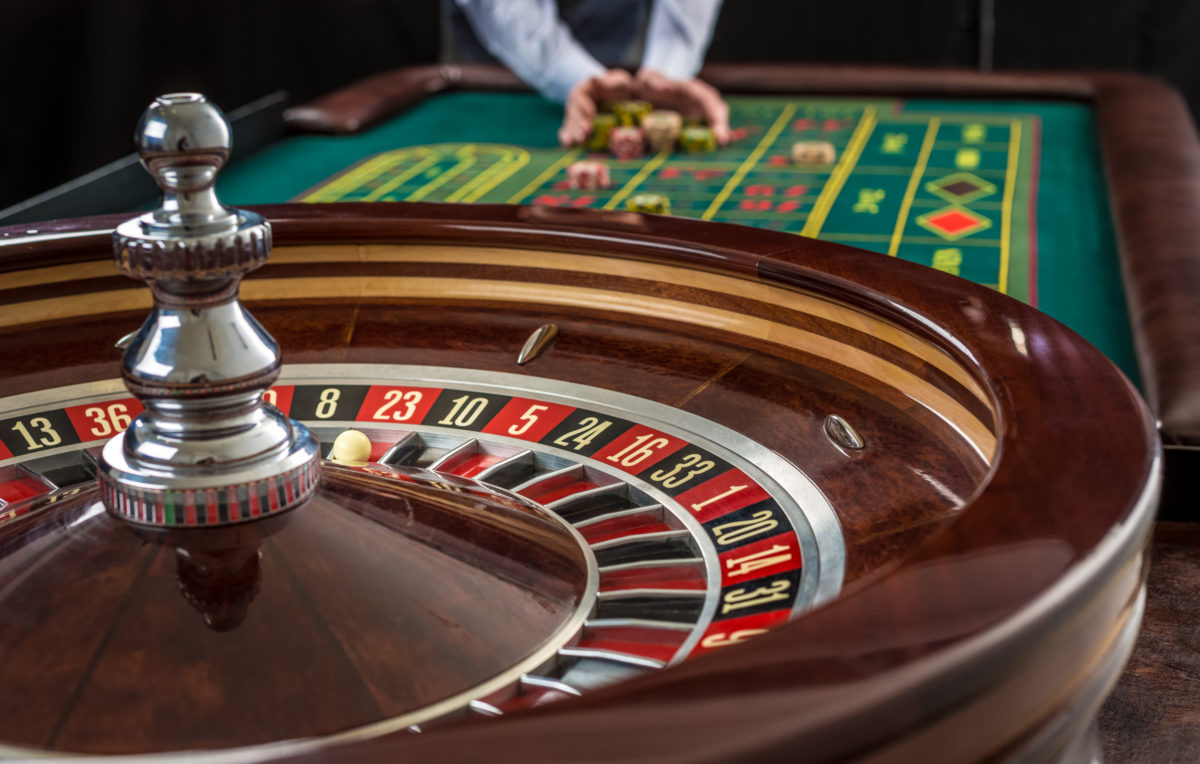
During the exclusion period, Bananzia Casino holds my data solely for regulatory and security purposes, but it is not used for marketing. If I attempt to visit the site, I will see a message telling me that my access is restricted, without any option to get around it. I found out that attempting to circumvent self-exclusion by using a family member’s account or creating a new identity is a breach of terms and can lead to permanent closure and forfeiture of funds. Once the chosen period ends, my account does not automatically reopen. I must actively get in touch with customer support and request reactivation, which triggers a 24-hour cooling-off period before I can gamble again. That final waiting window is a crucial safeguard that stops impulsive returns, and I appreciate the fact that Bananzia Casino upholds it consistently.
The Relationship Between Self-Exclusion and Your Casino Experience
I used to think of self-exclusion as a separate, almost clinical feature, but I now regard it as the foundation of a reliable casino experience. When I play at Bananzia Casino, I am not just experiencing a vast selection of slots, table games, and live dealer tables — I am doing so on a platform that has built its entire operation around player safety. The same UK Gambling Commission licence that mandates self-exclusion also requires rigorous testing of random number generators, segregation of player funds, and transparent terms for bonuses. Knowing that the operator takes these responsibilities seriously allows me to focus on the entertainment value of games like immersive live roulette or feature-rich video slots, without a nagging worry about fairness or fund security. Self-exclusion is the visible tip of a much larger safety iceberg.
The seamless mobile experience at Bananzia Casino further reinforces this connection. Whether I am turning reels on my tablet during a commute or putting down a bet on a live blackjack hand from my desktop, the responsible gambling tools are always one tap away. I value that the site does not hide these options in a hard-to-find footer; they are integrated into the main menu, reflecting a culture of transparency. Payment methods also play a role in this safety ecosystem. I can deposit using trusted options like Visa, Mastercard, PayPal, and Skrill, and I know that withdrawals are processed with standard timelines — e-wallets within a day, cards within three to five business days. This reliability means that when I do choose to self-exclude, I can trust that my remaining funds will be returned promptly and without hassle.
Guide to Set Up Self-Exclusion at Bananzia Casino
Setting up self-exclusion at Bananzia Casino is a straightforward process that I discovered clearly explained under the “Responsible Gaming” tab. The primary step is to head to that section, which is available from any page on the site, including the mobile version. Once there, I can pick the self-exclusion option and choose the duration that suits my needs. The offered periods commonly start at six months and can range to one year or five years, relying on how long I wish the break to last. After verifying my choice, the system instantly logs me out, and my account is locked. I cannot log back in, and any pending bets are processed according to the standard rules. I also get a confirmation email summarising the terms, so I have a record of the decision. The whole process takes less than five minutes, and I did not felt rushed or pressured while doing my selection.
One detail I found notably reassuring is that Bananzia Casino demands identity verification before completing a self-exclusion request, which stops anyone else from freezing my account without my knowledge. During the self-exclusion period, the operator will not dispatch me promotional materials or reactivation offers, as UK regulations firmly forbid marketing to self-excluded players. If I try to create a new account using alternative details, the platform’s security checks are built to identify and stop such attempts. I also found out that I can extend my self-exclusion at any time, but I cannot reduce it. That finality is deliberate; it protects me from rash decisions made during a moment of weakness. For anyone contemplating this step, I suggest reading the full terms on the Bananzia Casino website, as they specify exactly what happens to any residual bonus funds or loyalty points when the account is closed.
The role of GAMSTOP and British Licensing
GAMSTOP is the nationwide online self-exclusion scheme that has changed player protection across the United Kingdom. When I enrolled with GAMSTOP, I was able to block myself from all UK Gambling Commission-licensed websites in one go, including Bananzia Casino. This is a free, independent service that acts as a main center, and every UK-licensed operator is mandated to integrate with it. I found the registration process extremely straightforward: I entered basic personal details, chose an exclusion period of six months, one year, or five years, and within 24 hours my block became effective across the entire network. The beauty of GAMSTOP is that I do not need to contact each casino individually; one application applies to every site that holds a UK licence, which eliminates the risk of forgetting a lesser-used account.
Bananzia Casino’s commitment to UK licensing indicates that GAMSTOP integration is not an afterthought — it is integrated into the account management system. When I self-exclude via GAMSTOP, Bananzia Casino automatically detects my status and stops me from logging in or registering. Even if I had never played there before, the block takes effect immediately. The UK Gambling Commission mandates that operators conduct regular checks against the GAMSTOP database, so there is no loophole to exploit. I also recognize that the licence requires Bananzia Casino to maintain strict data protection standards, implying my self-exclusion status is handled confidentially. The union of operator-level tools and the national GAMSTOP scheme gives me a dual level of security, and I think every player should know that both options exist and work seamlessly together.
Widespread Myths and False beliefs About Self-Exclusion

Throughout the years, I have encountered several myths about self-exclusion that can discourage players from taking advantage of it. One of the most enduring is the belief that once you self-exclude, you can never gamble online again. In truth, the exclusion is time-limited, and after the specified period expires, you can request reactivation following a compulsory cooling-off interval. Another misconception is that self-exclusion will harm your credit score or be listed on financial records. I have verified that self-exclusion data is strictly confidential and is not passed on with credit reference agencies; it exists solely within the gambling operator’s responsible gambling framework and the GAMSTOP database. Grasping this distinction erased a significant mental barrier for me.
I have also come across players assert that self-exclusion is only for people with severe gambling problems. That is simply not true. I view it as a preventative measure, much like creating a budget before a night out. Any person can use it to enforce a break after a particularly intense period of play, or to ensure that a holiday or busy work season remains gambling-free. Some players are concerned that self-excluding from Bananzia Casino will automatically terminate accounts at other sites, but that only occurs if you register with GAMSTOP; operator-level self-exclusion is site-specific. Last but not least, there is a myth that self-exclusion is challenging to set up. In my experience, it took less than five minutes, and the support team was accessible via live chat to answer any questions. Debunking these myths is crucial because it enables more players to use the tools that are designed to protect them.