
The Best International eSIM for Travelers: Why I’ll Never Use Local SIMs Again
Most travelers don’t realize that an international eSIM can connect to local networks in over 190 countries without requiring a physical SIM card. This embedded chip, already present in your phone, allows you to activate a cellular plan from a global provider by scanning a QR code or using an app. It provides instant connectivity upon arrival while letting you keep your primary number active for calls and texts. Users can often manage multiple data plans simultaneously, toggling between them as needed for cost or coverage.
Beyond Borders: The Rise of Global Connectivity
Beyond Borders: The Rise of Global Connectivity transforms international travel by eliminating physical SIM swaps and roaming contracts. An international eSIM anchors this shift, allowing you to download a local data plan before departure and activate it upon arrival. This seamless process ensures you stay connected across multiple countries without hunting for physical SIM cards. The rise of global connectivity means your eSIM profile can switch between network providers automatically, maintaining stable data access. You retain your primary number for calls while using the eSIM for data, enabling real-time navigation, messaging, and remote work across borders. This practical system unbinds connectivity from a single location, making international travel as digitally fluid as domestic movement.
Why Traditional Roaming Is Becoming Obsolete
Traditional roaming is becoming obsolete because it locks travelers into exorbitant daily fees and opaque data caps, whereas international eSIMs let you buy local or regional plans at a fraction of the cost. You no longer need to hunt for a physical SIM or tolerate sluggish throttled speeds after a few megabytes. The real shift is that eSIMs hand you control over connectivity the moment you land, without surprise bills. This eliminates the fear of bill shock entirely, replacing rigid carrier agreements with on-demand, prepaid data that works seamlessly across multiple countries.
- Physical SIM swapping is replaced by instant digital activation before or during travel.
- Daily roaming charges are undercut by pay-for-what-you-use local pricing.
- Network switching is automatic, avoiding the patchy coverage of a single partner network.
How a Digital SIM Unlocks Seamless Travel
A digital SIM replaces the need to hunt for local SIM cards at every airport or fiddle with tiny physical trays. You can buy and activate an international eSIM before you leave home, so you’re connected the moment you land. There’s no switching numbers or losing your primary line—your travel data plan runs alongside your existing service. Forget searching for Wi-Fi passwords or paying exorbitant roaming fees; with a digital SIM, you simply turn on your phone in a new country and instantly navigate, message, and share. It transforms a stressful arrival into a smooth experience.
In short, a digital SIM unlocks seamless travel by giving you instant, hassle-free connectivity without physical swaps or roaming surprises.
Core Mechanics: What Makes These Virtual SIMs Work
Your phone’s modem reads the international eSIM’s profile as a digital handshake, not a physical card. Once you scan a QR code or install a downloaded file, the chip stores encrypted carrier credentials, letting your device authenticate directly on a foreign network without swapping plastic. This virtual SIM mechanics rely on a remote SIM provisioning standard—your phone’s embedded secure element holds multiple operator profiles, so you switch between local data plans abroad by toggling a menu. In a Tokyo train station, you don’t hunt for a shop; the eSIM’s core circuit simply connects you to a local tower as if you’d bought a SIM there, but it’s all digital handshake, no physical swap.
Embedded Chips vs. Physical Cards: The Technical Shift
The key technical shift from physical cards to embedded eSIMs lies in soldering the chip directly onto your phone’s motherboard. This eliminates the removable tray, freeing up internal space for larger batteries or slimmer designs. Instead of swapping a plastic card, you download a carrier profile to that fixed chip. The process is faster and removes the risk of losing a tiny SIM. This change means your device’s connectivity is now tied to the permanent eSIM hardware, not a swappable piece of plastic.
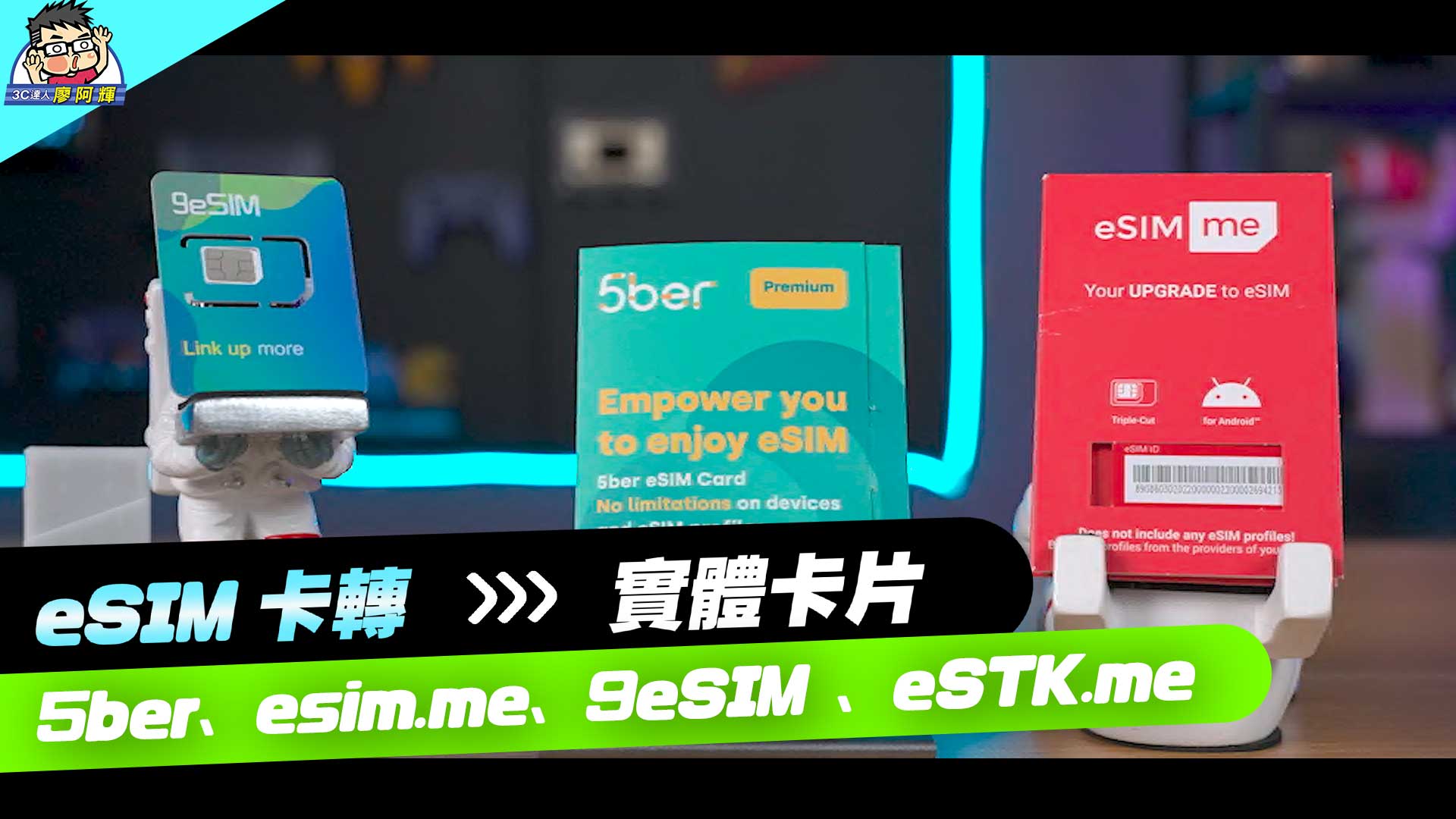
| Physical Card | Embedded Chip (eSIM) |
|---|---|
| Removable hardware | Soldered to motherboard |
| Requires physical swap | Installed via software profile |
| Easy to lose or damage | Always securely inside device |
Network Profiles and Over-the-Air Provisioning
An international eSIM operates by storing multiple over-the-air provisioning network profiles directly on the device’s embedded chip. Each profile contains unique authentication keys (IMSI/Ki) that identify your subscription to a specific carrier’s core network. When traveling, the eSIM downloads a new profile via a secure remote connection, swapping keys without requiring a physical card swap. This profile remains active until you delete it or the provider remotely deactivates it, allowing seamless onboarding to a local network for data or voice services.
Network profiles are remotely installed credentials that bind a device to a specific carrier; over-the-air provisioning enables instant profile swaps without hardware changes.
Choosing the Right Global Data Solution
When choosing the right global data solution for international eSIM, prioritize providers that offer direct access to local networks rather than roaming partnerships, as this ensures genuine local IP addresses and lower latency. Evaluate your destination’s infrastructure: a single global plan might suffice for business hubs, but fragmented coverage in rural areas demands a multi-region or country-specific eSIM. Always confirm your device’s eSIM compatibility and carrier unlock status before purchasing to avoid activation failures. Scrutinize the data allocation model—look for plans with rollover or top-up flexibility rather than rigid expiry windows. An overlooked factor is the app’s management interface, which can make or break your ability to monitor usage across multiple lines. Prioritize solutions with 24/7 chat support for real-time troubleshooting while abroad.
Comparing Regional Coverage Maps and Carrier Partnerships
When evaluating an international eSIM, comparing regional coverage maps reveals the true strength of carrier partnerships. A provider advertising “global” service may rely on a single roaming partner in a region, leading to congested or weak signals. Instead, examine which local carriers underpin the map; a robust solution aggregates multiple Tier-1 operators per country for automatic fallback. To verify this:
- Zoom into your destination on the provider’s map to identify individual carrier names.
- Cross-reference those carriers with independent network coverage databases for reliability.
- Select an eSIM that explicitly lists its partner carriers, not just a vague coverage blob.
This ensures you connect to the strongest available network, avoiding dead zones that single-partner solutions create.
Data Allowances, Speed Tiers, and Fair Usage Policies
When selecting an international eSIM, evaluating data allowances, speed tiers, and fair usage policies ensures you match capacity to actual usage patterns. Data allowances specify the total high-speed volume, while speed tiers dictate throttled rates (e.g., 128 kbps vs. 2 Mbps) after that cap is exceeded—critical for streaming or maps. Fair usage policies impose hidden limits on “unlimited” plans, typically throttling after 500 MB–3 GB daily. Thus, a plan with a moderate allowance but higher post-cap speed often outperforms a bulk “unlimited” plan with severe throttled bottlenecks.
- Compare upfront high-speed data allowance against the throttled speed tier for tasks like navigation or messaging.
- Verify fair usage policy thresholds in megabytes rather than relying on “unlimited” marketing language.
- Check if top-up data restores original speeds or maintains the throttled tier until the next billing cycle.
Compatibility Checklist: Checking Your Device’s Readiness
Before purchasing an international eSIM, run a device readiness compatibility check first. Confirm your smartphone is eSIM-compatible by checking settings for “Add Cellular Plan” (iPhone) or “SIM Manager” (Android). Unlocked devices from the last three years typically support eSIM, but carrier-locked phones often block it. Also verify the eSIM supports your phone model’s specific firmware version. Q: How do I know if my device is ready? A: Go to your phone’s settings, search for eSIM or digital SIM options; if the menu exists, your device supports it.
Cost-Smart Travel: Prepaid Plans, Bundles, and Pay-as-You-Go
Cost-smart travel with an international eSIM hinges on three core strategies: prepaid plans, bundles, and pay-as-you-go. For a short trip, a regional prepaid bundle—like a 5GB plan valid for 7 days across Europe—offers fixed pricing with no surprise overage fees. If your itinerary spans multiple countries, multi-region data bundles simplify budgeting by covering the entire journey under one plan. For light users or those with fluctuating needs, a pay-as-you-go model lets you top up specific amounts, ensuring you only pay for data you actually use. Always verify that the eSIM bundle includes hotspot tethering, as many budget plans restrict this feature, which can limit cost-saving if sharing data across devices.
Single-Trip Packages Versus Multi-Country Subscriptions
For short, focused trips, single-trip eSIM packages offer the best value by confining data to one country and a fixed duration, avoiding unused coverage. Conversely, multi-country subscriptions suit travelers crossing borders frequently, as a single plan covers multiple regions without manual switching or buying separate packs. The cost trade-off is simple: single-trip plans charge a premium per GB for convenience, while subscriptions lower the per-country rate by bundling access. Calculate your itinerary—two countries in a week? A subscription likely saves money. Longer stays with one destination? Stick to a single package.
Q: Should I buy a single-trip eSIM or a multi-country subscription for a 10-day trip across three European countries?
A: Choose a multi-country subscription. Buying three separate single-trip packages would cost more and require reactivation at each border, while a subscription covers all three seamlessly under one payment.
Hidden Fees to Spot in Global Roaming Offers
When evaluating global roaming offers, you must scrutinize for hidden international eSIM charges that inflate costs. Data speed throttling after a certain threshold is a common trap, rendering your plan unusable. Watch for daily connection fees that stack on top of your data allowance. Always check if incoming messages or voicemail incur separate per-use costs. Below are key red flags:
- Deceptive “unlimited” plans that drop to 2G speeds after a few gigabytes.
- Invisible administrative or service fees applied per day of usage.
- Charges for retaining your home number while roaming, often listed as “line rental.”
Step-by-Step Activation Guide for Travelers
Begin by confirming your device is unlocked and compatible with an international eSIM. Before departure, purchase a travel-specific eSIM plan from a reputable provider, scanning the QR code they send to your email. During setup, ensure you are connected to Wi-Fi. Go to your phone’s cellular settings, select “Add Cellular Plan,” and scan the QR code. Do not remove your primary home SIM; keep it installed for incoming SMS or emergency backup. Assign the new eSIM a label like “Travel Data” and set it as your default for cellular data. Finally, activate roaming for this line in your settings, and your connection will begin once you land at your destination.
Scanning QR Codes and Installing Profiles
Upon arrival, open your device’s settings and select the cellular or mobile data menu. Choose “Add Cellular Plan” to activate your international eSIM. Your provider will supply a QR code; scan this QR code promptly using your device’s camera. The phone automatically detects the eSIM profile and prompts installation. Confirm installation and label the new line (e.g., “Travel Data”). After installation, enable the profile as your primary data line. Ensure roaming is turned on for the new eSIM. The profile appears in your settings under cellular plans, ready for immediate use across supported regions.
| Step | Action | Key Detail |
|---|---|---|
| 1 | Access cellular settings | Navigate to “Add Cellular Plan” |
| 2 | Scan QR code | Use device camera, no third-party app needed |
| 3 | Confirm installation | Tap “Add” or “Install” per prompt |
| 4 | Label and enable | Assign a name; set as default data line |
Managing Dual SIMs: Primary Line and Data-Only Setup
To avoid roaming fees on a trip, configure your phone’s dual SIMs by assigning your home carrier’s physical SIM to primary line for calls and texts while designating the eSIM for data-only tasks. In iOS, go to Cellular > Cellular Plans, setting your home line for voice and the eSIM for Data. On Android, under SIM Manager, default your eSIM for mobile data and your physical SIM for calls. This prevents accidental data usage on your primary line, which could incur expensive per-MB charges.
- Disable data switching on your primary line to avoid fallback roaming.
- Keep your primary line active for iMessage/FaceTime and two-factor authentication codes.
- Ensure your eSIM’s APN is correctly set for the destination network, if required.
Real-World Use Cases Across Continents
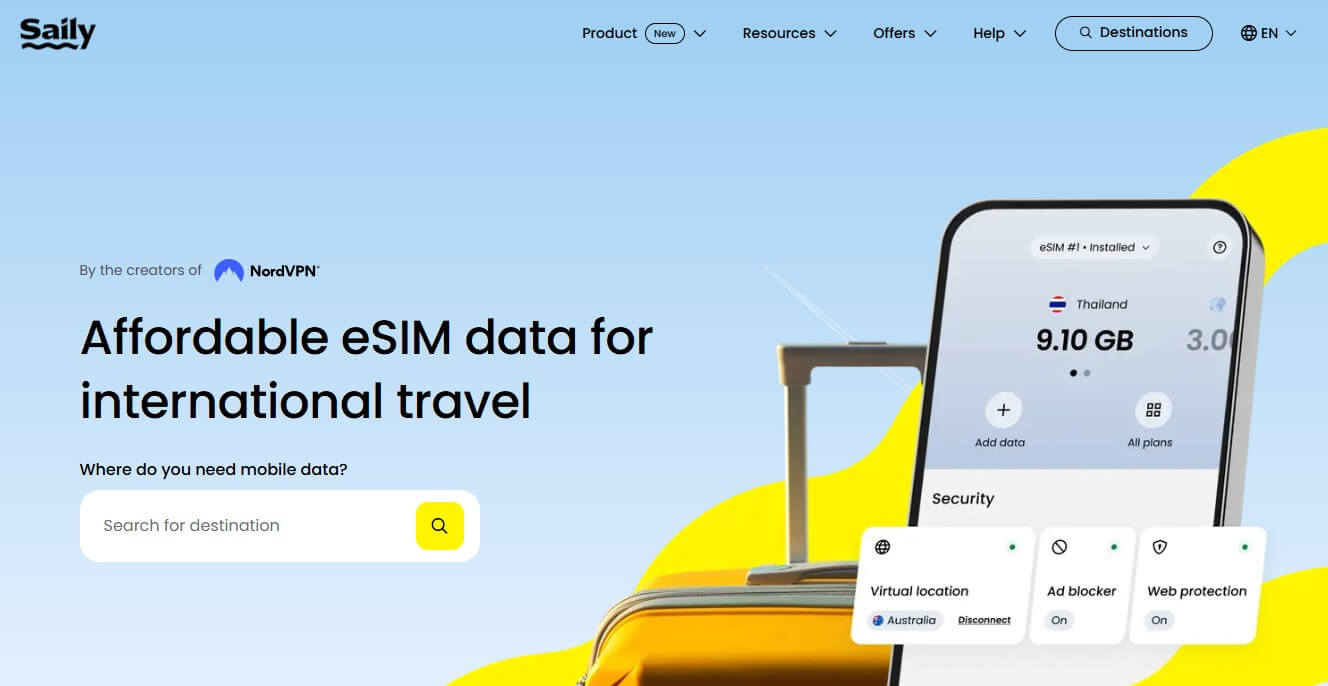
A traveler moving between Europe and Asia uses an international eSIM to maintain continuous connectivity for navigation and messaging without swapping physical cards. In Africa, a remote worker relies on a regional eSIM to access stable data across borders for cloud-based tasks, avoiding local SIM procurement delays. Similarly, a consultant in South America switches between country profiles to handle client calls in Brazil and Argentina seamlessly. Q: How does an eSIM support a trip across North America and Europe? A: It automatically connects to local networks in both continents, allowing instant activation for maps and ride-hailing apps without roaming fees.
Digital Nomads: Staying Online Across Asia and Europe
For digital nomads, an international eSIM erases the boundary between a Bangkok coffee shop and a Berlin co-working space. Flipping from a Thai AIS profile to a German Vodafone one takes seconds, eliminating SIM-hunting at each new airport. This enables seamless bandwidth for video calls with clients, maps for spontaneous train travel, and uploading social media content without hunting for free Wi-Fi. In Asia’s dense cities, eSIMs often piggyback on local towers for strong speeds, while across Europe, they bypass roaming caps for consistent connectivity. The result is a single digital passport that keeps work moving as your desk shifts between continents.
An international eSIM turns the nomadic lifestyle into a seamless workflow, providing instant, reliable data across Asia and Europe so your business never misses a beat.
Business Travelers: Reliable Connections in Remote Hubs
For business travelers, an international eSIM ensures reliable connections in remote hubs like mining camps or offshore rigs where local SIMs often fail. It allows instant activation on arrival, bypassing physical store searches in low-infrastructure areas. Satellite-backed eSIM profiles can maintain voice and data links even when terrestrial towers are sparse. A single eSIM lets a consultant hop from a jungle airstrip to a corporate boardroom without swapping cards, preserving critical contact with dispatch teams. In oil-field camps or mountain lodges, consistent coverage means secure VPN access for urgent contract sign-offs, avoiding costly project delays. This eliminates the dead-zone anxiety that plagues equipment-dependent work in extraction zones.
Frequent Cruisers and Island Hopping Solutions
For frequent cruisers and island hoppers, an international eSIM eliminates the costly trap of per-port roaming or hunting for local SIMs in each new territory. This group benefits from regional eSIM plans that cover entire archipelagos or the Caribbean, allowing seamless connectivity as they move from port to port without re-provisioning. However, coverage can vary drastically between major resort islands and remote atolls, making it essential to check carrier partners. A multi-plan eSIM, with separate data allowances for different regions, is often more practical than a single global pass. Regional cruising eSIMs are the most reliable solution for this dynamic travel pattern.
Q: How does an eSIM improve island hopping compared to a physical SIM?
A: It lets you switch between a Caribbean regional plan and a South Pacific plan instantly, avoiding the need to buy and insert a new card at every island nation or territory.
Overcoming Common Pitfalls
A common pitfall with international eSIMs is assuming all plans offer identical coverage, leading to abrupt data cutoffs. To avoid this, confirm true regional compatibility by checking the provider’s network map against your specific destinations, not just a continent name. Overlooking activation steps is another frequent error; install your eSIM before departure while you have strong Wi-Fi, as attempting setup abroad without a fallback connection can lock you out of roaming. Finally, mismanaging data between two lines often wastes purchased allowance—set your primary line to use the eSIM exclusively and disable background data on your physical SIM to prevent accidental charges. These practices ensure seamless connectivity instead of costly service interruptions.
When the SIM Fails: Troubleshooting No-Service Zones
When an international eSIM fails in a no-service zone, the first step is confirming airplane mode is off and data roaming enabled for that specific eSIM line. If signal remains absent, manually search for available networks within device settings; often, manual network selection bypasses automatic registration errors. Next, toggle the eSIM off and on to force a fresh registration attempt with local towers. Persistently weak connectivity may require moving to a higher elevation or near a window, as concrete or underground environments block signals. Carrier-specific APN configurations are occasionally misapplied, preventing data flow even with bars displayed.
| Issue | Immediate Action |
|---|---|
| No signal after activation | Restart device, wait 5 minutes for provisioning |
| Signal but no data | Check APN settings match eSIM provider’s exact string |
Backup Options for Regions With Limited eSIM Adoption
When traveling to places where eSIM is rarely supported, your primary physical SIM fallback becomes critical. Carry a pre-activated global roaming SIM card from a provider that also supports eSIM profiles, allowing you to swap slots instantly. Alternatively, download offline maps and messaging apps before departure, then rely on local prepaid physical SIMs purchased at kiosks. Keep your eSIM line disabled but saved on your device, using it solely for iMessage or WhatsApp calls over Wi-Fi while the physical card handles local data. This dual-system ensures zero connectivity gaps.
In short: always carry a physical SIM backup and pre-load essential apps to bridge connectivity in low-eSIM regions.
Environmental and Practical Advantages
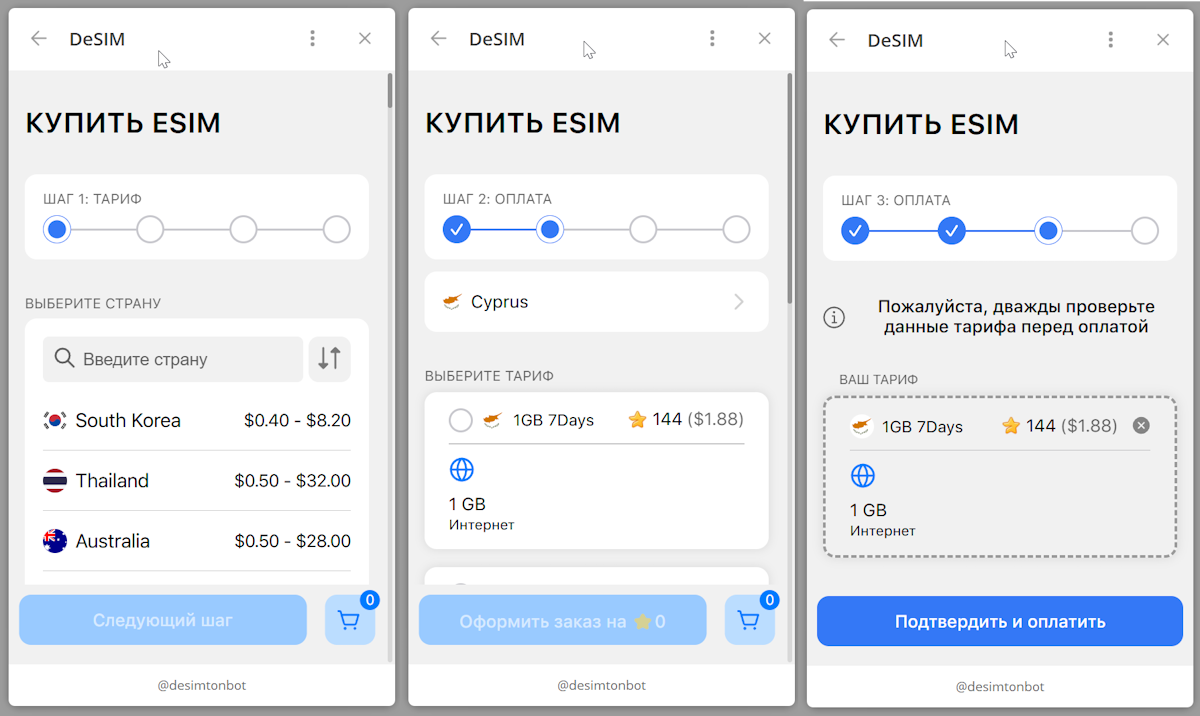
The traveler’s old habit of buying plastic SIMs for each country created a drawer full of waste, but switching to an international eSIM eliminated that entirely. No physical card means zero plastic waste from packaging or discarded chips.
This digital shift saves the environmental cost of mining rare metals and shipping cards across continents.
Practically, I no longer hunt for a local store upon landing; the eSIM activates instantly via a QR code, preserving my connectivity and mental energy. My phone stays slim without a tray-hack or dual-SIM adapter, and I avoid the headache of keeping track of multiple, easily-lost SIM cards. The advantage is a cleaner, simpler, and more sustainable way to roam.
Reducing Plastic Waste in Transient Tourism

Transient tourism generates vast plastic waste from disposable SIM card packaging and physical SIM cards, which are often discarded after a single trip. An international eSIM eliminates this entirely, as a software-based profile requires no plastic substrate, blister pack, or transport wrapping. https://baztel.co/esim-plans/esim-china-mainland Each traveler switching to eSIM for a two-week itinerary avoids contributing multiple grams of non-recyclable plastic to destination landfills or marine ecosystems. This directly reduces the cumulative plastic footprint of short-term visitors, who typically lack access to local recycling infrastructure. For frequent transient tourists, this substitution prevents dozens of single-use plastic SIM components from being produced and abandoned across borders per year.
Instant Activation Versus Airport Kiosk Queues
Instant activation with an international eSIM bypasses the frustrating airport kiosk queue entirely. Instead of wasting trip time waiting in line, fumbling with a physical SIM tray, or overpaying for last-minute prepaid cards, you connect the moment you land. This zero-hassle, on-arrival connectivity means you can step off the plane already online, navigating transport or messaging family without delay. Airport kiosks create single points of failure—long queues, limited stock, or closed booths. eSIMs eliminate this bottleneck, offering immediate digital setup from your device.

- Boarding to browsing in under 60 seconds, versus 20-minute kiosk waits.
- No fumbling with physical SIMs while juggling luggage in a crowded terminal.
- Works instantly upon landing, even before reaching baggage claim.
Future Trends in Cross-Border Mobile Access
The future of cross-border mobile access will let you land in a foreign city with your phone already seamlessly connected, not through a physical SIM swap but via an international eSIM that activates the moment your plane touches down. You will hop from a Tokyo subway to a Berlin café, and your device will automatically latch onto the strongest local network, using AI-driven roaming profiles that switch between carriers mid-conversation to maintain a stable video call. No more hunting for Wi-Fi passwords or juggling plastic cards; your eSIM will hold multiple active plans, and a simple tap on a travel app will let you top up data for the next border crossing. This is a world where your connectivity simply adapts to your movement, not the other way around.
Satellite eSIMs and Off-Grid Potentials
Satellite eSIMs unlock true off-grid potential by seamlessly switching from terrestrial networks to low-earth orbit satellites when no cell tower is reachable. This means you can fire off an emergency message from a remote mountain pass or browse maps on a deserted beach without hunting for Wi-Fi. The technology eliminates reliance on any local infrastructure, offering a single digital profile that maintains connectivity across borders and beyond the grid. For adventurers and field workers, this represents a critical safety net, ensuring your device stays online for navigation and communication even in the world’s most isolated regions, with seamless off-grid connectivity becoming the new standard for global roaming.
Regulatory Shifts Impacting International Data Costs
New data sovereignty rules are directly reshaping what you pay for roaming. As countries enforce local data residency requirements, eSIM providers must now store and route traffic through regional servers, eliminating cheap bulk transit routes from a single hub. This fragmentation raises wholesale costs, which carriers pass to users as higher per-gigabyte rates or shorter validity windows. You may find that a global plan now costs less than a regional one if the latter triggers multiple compliance fees per country. Dynamic pricing now reflects per-jurisdiction overhead, not just distance.
Regulatory shifts inflate international data costs by forcing eSIMs to localize traffic, transforming simple roaming into a patchwork of compliant, higher-priced access.