
Exploring the cultural significance of casinos in modern society
The Historical Evolution of Casinos
Casinos have a rich history that dates back centuries, evolving from simple gaming houses into lavish entertainment complexes. Initially, gaming was a way to socialize and pass the time, often found in private homes or small taverns. However, as societies became more urbanized, formal establishments emerged. The 18th century saw the birth of the modern casino concept in Europe, where places like Venice and Monte Carlo catered to the affluent class, making gambling a prominent social activity. Today, avid players can enjoy thrilling experiences at home as well, with platforms like https://mafiacasinonz.nz/ catering specifically to online gaming enthusiasts.
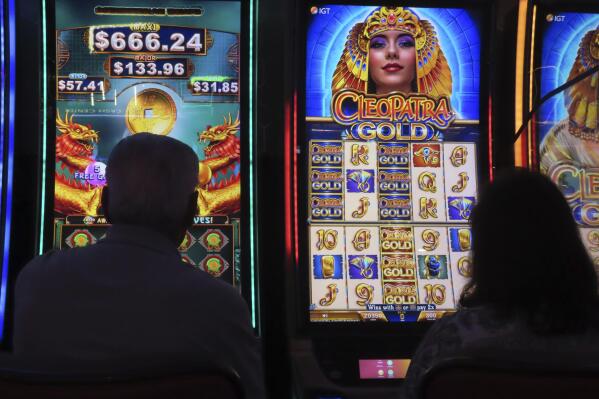
The evolution continued into the 20th century, particularly in the United States. Las Vegas became the world’s gambling capital, attracting millions with its bright lights and extravagant themes. This shift transformed casinos from mere gambling venues into comprehensive entertainment hubs that featured dining, shopping, and live performances. The intertwining of casino culture with tourism has significantly influenced local economies and societal norms surrounding leisure and entertainment.
Today, casinos are not just about gambling; they serve as multifaceted social spaces that foster a sense of community. They host events, concerts, and conferences, drawing a diverse range of visitors. This transition reflects broader cultural shifts in society’s view of gambling, making it an acceptable and even celebrated pastime, thus solidifying its place within the modern cultural landscape.
The Role of Casinos in Economic Development
Casinos play a pivotal role in the economic development of their respective regions. They create jobs, from hospitality positions to administrative roles, contributing to the local workforce. In many areas, casinos serve as a primary revenue source for municipalities, funding public services such as education, infrastructure, and healthcare. The financial impact can be profound, enabling local governments to invest in community projects that enhance quality of life.
Moreover, the influx of tourists drawn by casinos stimulates other sectors, including retail, hospitality, and transportation. The presence of a casino can turn a quiet town into a bustling tourist destination, attracting visitors who contribute significantly to the local economy. This synergy often leads to further investments in tourism infrastructure, which can enhance the overall experience for visitors and residents alike.
However, the economic benefits of casinos are sometimes counterbalanced by social challenges, such as gambling addiction. While casinos generate wealth, they must also engage in responsible practices to mitigate these issues. Many establishments now prioritize community well-being by offering support programs and promoting responsible gambling initiatives, ensuring that the economic gains do not come at the cost of social health.
The Social Dynamics of Casino Culture
Casinos are complex social environments where interactions occur on multiple levels. They attract diverse demographics, fostering connections among people from various backgrounds. This unique blending creates a vibrant atmosphere where stories are shared, and friendships are forged, often over a game of poker or at a slot machine. The casino experience is frequently communal, providing not just a space for gambling but a venue for social engagement.
The culture surrounding casinos has also changed with the advent of technology. Online casinos have become increasingly popular, offering an alternative to traditional brick-and-mortar establishments. This digital shift has opened the doors for more inclusive gaming experiences, allowing individuals who may not feel comfortable in a physical casino to participate. However, while online platforms have expanded accessibility, they also change the nature of social interactions, often replacing in-person connections with virtual ones.
Furthermore, casinos often reflect and influence local cultural trends. They host themed events, celebrity appearances, and shows that tap into the local arts scene. This integration of culture helps casinos remain relevant and engaging, ensuring they resonate with both local patrons and international visitors. As cultural touchpoints, casinos are not just places of chance but vital parts of the cultural fabric of society.
The Psychological Impact of Gambling
Gambling, particularly in a casino setting, can evoke a range of psychological responses. For many, the thrill of the game provides an adrenaline rush that creates excitement and enjoyment. This emotional high can be a significant draw, leading individuals to seek out these experiences repeatedly. The atmosphere within casinos, from the sounds of machines to the excitement of live gaming tables, is intentionally designed to enhance this emotional response, creating an immersive experience that captivates patrons.
However, the psychological impact of gambling can be complex and multifaceted. While many individuals enjoy gambling as a form of entertainment, others may develop problematic behaviors that lead to addiction. The accessibility and allure of casinos can make it challenging for some to manage their gambling habits, leading to financial and emotional consequences. As such, responsible gaming practices and support services are essential components of modern casino culture.
The industry has recognized the importance of addressing these psychological issues, implementing measures like self-exclusion programs and providing resources for those in need of help. By fostering an environment that promotes responsible gambling, casinos can contribute positively to societal health while still providing the entertainment experience that draws millions worldwide.

Modern Casinos as Cultural Institutions
Today’s casinos are evolving into cultural institutions that reflect and contribute to their communities. They serve as more than just gambling venues; they host art exhibitions, music festivals, and culinary events that celebrate local talent and culture. This transformation is indicative of the casino industry’s recognition of its role in shaping cultural narratives and enhancing community identity.
The integration of cultural elements into casino experiences can attract a broader audience and challenge stereotypes associated with gambling. By showcasing local art and talent, casinos can foster pride among community members and encourage visitors to appreciate regional culture. This blending of entertainment and cultural appreciation positions casinos as vital components of the tourism ecosystem, enriching the overall visitor experience.
Furthermore, as societal values shift towards inclusivity and community engagement, casinos are adjusting their business models to align with these principles. Many establishments are now focusing on sustainability and corporate social responsibility initiatives, ensuring that their impact on the community is positive and meaningful. This evolution not only enhances the casino’s reputation but also solidifies its status as an integral part of modern society.